
Hi-Vis Hoodies & Jackets: How to Layer for Cold Weather Without Losing Visibility
When the temperature drops, most workers do the same thing: grab the heaviest jacket they own and head to the job site. The problem? Most of those jackets are dark, non-compliant, and completely bury the hi-vis gear that keeps you from being hit by a vehicle or piece of equipment.
Cold weather doesn't reduce your exposure to traffic or machinery—in many cases it increases it. Shorter days, darker mornings, rain, fog, and snow all make it harder for drivers and operators to see you.
This guide from Safety Apparel Zone explains how to layer hi-vis hoodies and jackets so you stay warm and visible. You'll learn how to pick the right base layers, hoodies, and outerwear, and how to avoid the most common cold-weather mistakes that get workers hurt.
Why visibility gets worse in winter
Winter conditions quietly stack the deck against you:
- Shorter days mean more work in low light, dawn, dusk, and full darkness.
- Snow, rain, and fog scatter light and make colors look dull.
- Dark outerwear (black hoodies, navy jackets, camo coats) covers up your bright summer shirts.
- Bulkier layers can twist, ride up, or hide reflective tape.
OSHA expects employers to provide appropriate PPE for workers exposed to traffic and equipment. Learn more at the OSHA PPE official page. If your crew's hi-vis is completely covered by dark layers, it doesn't matter that they "technically" have a vest underneath—drivers still can't see them.
That's why a proper cold-weather layering system matters.
The basics: how ANSI hi-vis works with layers
The U.S. standard for high-visibility apparel, ANSI/ISEA 107, doesn't just apply in the summer. It still applies when temperatures drop.
Key points:
- You need enough fluorescent background fabric and reflective tape visible on the outermost layer.
- If your bright shirt is fully covered by a dark hoodie or coat, it no longer provides the visibility ANSI intends.
- Many hi-vis outerwear pieces (hoodies, softshells, rain jackets, parkas) are designed to meet Class 2 or Class 3 on their own.
The safest approach in cold weather is to make sure your outer layer is hi-vis and ANSI‑compliant—not just the shirt or vest underneath.
You can see examples in our Hi-Vis Outerwear Collection, including hoodies and jackets designed specifically for construction and road crews.
Building a smart cold-weather layering system
A good system has three parts:
- Base layer – Moisture management and comfort
- Mid layer – Insulation (optional, depending on temperature)
- Outer layer – Weather protection and high visibility
Let's look at each.
1. Base layer: stay dry, not soaked
Your base layer should:
- Pull sweat off your skin (synthetic or wool is better than cotton)
- Fit close to the body without restricting movement
- Work with both shirts and hoodies
Avoid heavy cotton hoodies or long underwear directly against the skin—they soak up sweat and stay wet, which makes you feel colder once you stop moving.
2. Mid layer: add warmth without bulk
In moderate cold, your mid layer might be your hi-vis hoodie. In tougher conditions, you may add an extra insulating layer under a hi-vis jacket.
Look for:
- Hi-vis hoodies from our Hi-Vis Outerwear Collection or warmer hi-vis shirts from our Hi-Vis Shirts Collection
- Enough room to move and work without feeling stuffed into your clothes
- Sleeves that are long enough not to ride up when you reach
3. Outer layer: your visibility and weather shield
This is the big one. Your outer layer should:
- Be hi-vis and ANSI-compliant (check for Type and Class)
- Have 2" reflective tape around torso and arms
- Protect against wind, rain, and snow
- Be sized to fit comfortably over your base and mid layers
In many cases, the right choice is a hi-vis jacket, parka, or rain shell from our Hi-Vis Outerwear Collection that's labeled Type R, Class 2 or Class 3.
Practical outfit examples by temperature
These are sample setups you can adapt to your crew and climate.
Cool fall mornings (40–55°F)
- Base: Lightweight long-sleeve tee
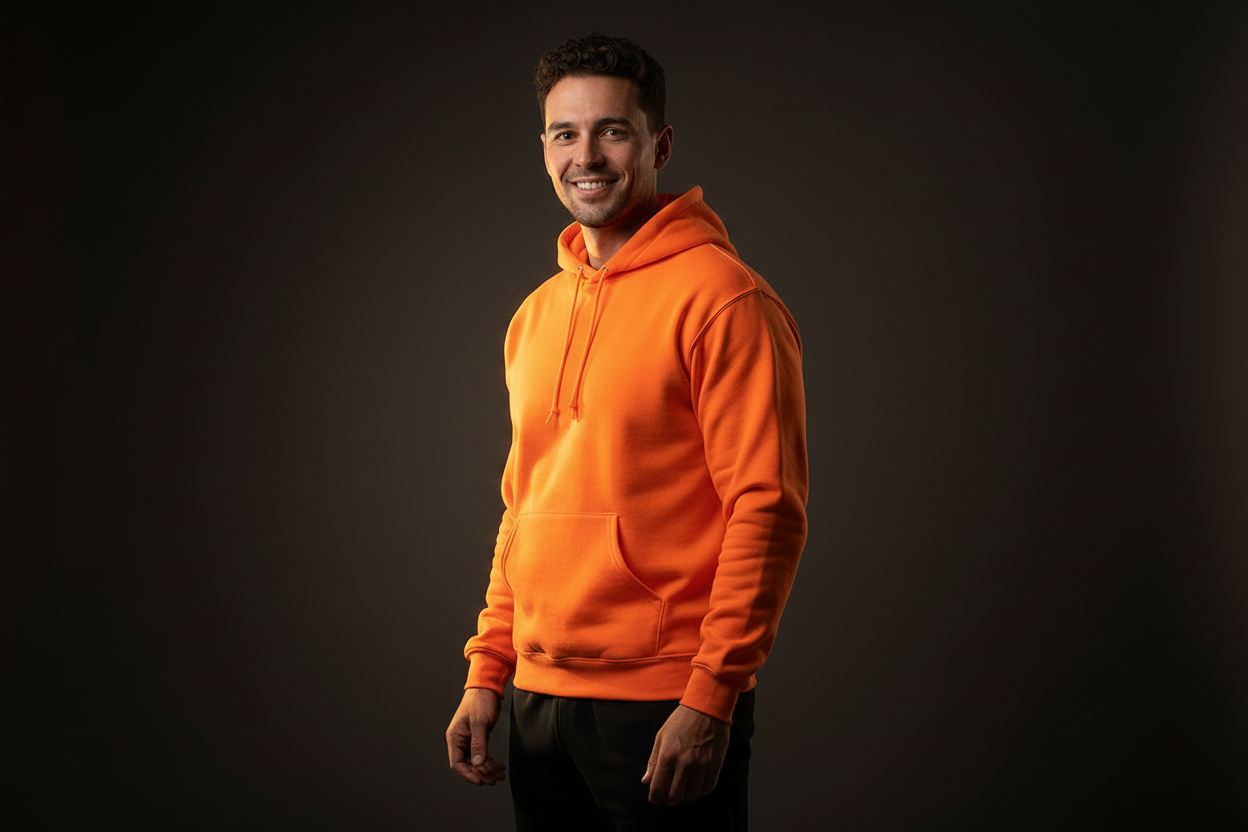
- Mid/Outer: Hi-vis hoodie from our Hi-Vis Outerwear Collection
- Optional: Hi-vis vest from our Safety Vests Collection over a standard work shirt
Cold days (25–40°F)
- Base: Moisture-wicking long-sleeve base layer
- Mid: Hi-vis hoodie or sweatshirt from our Hi-Vis Shirts Collection or Hi-Vis Outerwear Collection
- Outer: Hi-vis softshell or insulated jacket from our Hi-Vis Outerwear Collection
Very cold or snowy conditions
- Base: Thermal base layer
- Mid: Insulating layer (fleece or quilted)
- Outer: Hi-vis winter parka or lined jacket with hood, labeled as ANSI Type R, Class 2 or 3
In all cases, make sure the outermost piece is hi-vis and shows a continuous band of reflective tape all the way around the torso (and arms for Class 3).
Common layering mistakes that kill visibility
Avoid these issues that we see on real job sites every winter:
-
Dark hoodies over hi-vis shirts
Workers throw on a black or navy hoodie over a hi-vis tee. From a driver's perspective, they look like a dark shape with a small strip of tape peeking out. -
Unzipped hi-vis jackets
When jackets are left open, reflective patterns break up and can't be recognized quickly as a person. -
Backpacks and harnesses covering tape
Gear worn over hi-vis outerwear can block reflective zones. Adjust harnesses and packs to keep tape exposed. -
Wrong size outerwear
Jackets that are too small strain and pull, causing tape to shift and ride up. Too large, and cuffs and hems can hang and snag. -
Using non-hi-vis rain gear over everything
A dark, non-compliant rain shell over your vest or shirt erases your visibility. Choose hi-vis rainwear instead from our Hi-Vis Outerwear Collection.
How many hoodies and jackets does each worker need?
For crews that work outdoors through fall and winter, a realistic setup per worker is:
- 1–2 hi-vis hoodies from our Hi-Vis Outerwear Collection
- 1 hi-vis jacket, parka, or rain shell from our Hi-Vis Outerwear Collection
- Several hi-vis shirts for layering underneath from our Hi-Vis Shirts Collection
If you're buying for a small company, consider creating a simple cold-weather kit for each worker:
- 3 hi-vis shirts (mix of short and long sleeve) from our Hi-Vis Shirts Collection
- 1 hi-vis hoodie from our Hi-Vis Outerwear Collection
- 1 hi-vis jacket or parka from our Hi-Vis Outerwear Collection
Final thoughts
Cold weather doesn't change your responsibility to keep workers visible—it makes it even more important.
By building a proper layering system with hi-vis hoodies and jackets as the outer layer, you can:
- Keep your crew warm and more comfortable
- Maintain ANSI-level visibility in tough conditions
- Reduce the risk of struck-by incidents in dark, wet, or snowy weather. Learn more about outdoor worker safety from the CDC NIOSH Outdoor Workers resource.
You can start upgrading your crew's winter gear today with:
- Hi-vis hoodies and jackets: Hi-Vis Outerwear Collection
- Hi-vis shirts for base and mid layers: Hi-Vis Shirts Collection
- Safety vests to supplement visibility: Safety Vests Collection
At Safety Apparel Zone, we're here to help you build outfits that work in the real world—on cold bridges, frozen jobsites, and night shifts where visibility matters most.
Share:
Class 2 vs Class 3 Safety Vests: What's the Difference and Which Should You Buy?
Hi-Vis Safety Apparel for Small Crews: How Many Pieces Do You Really Need?