
Hi-Vis Shirts for Summer: How to Stay Cool and Compliant on Hot Job Sites
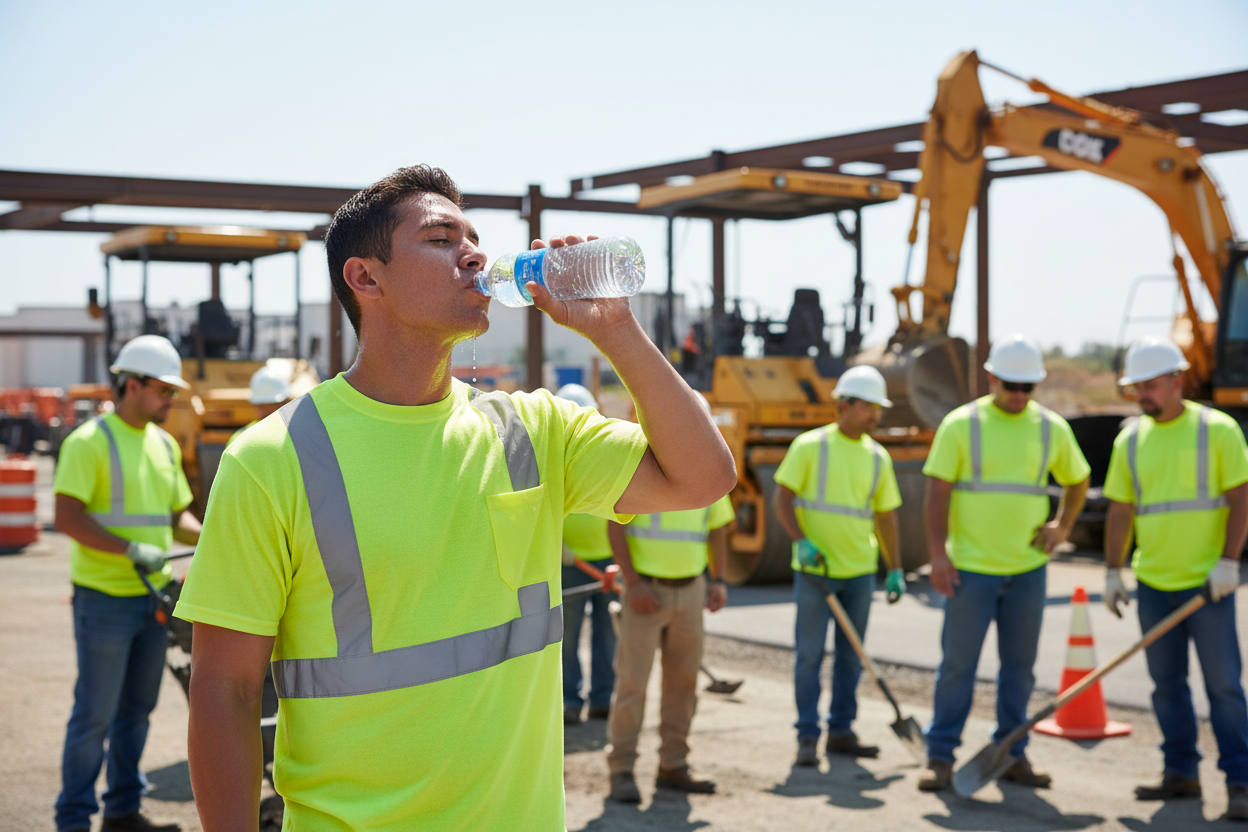
When the heat cranks up, most people can step into the shade or loosen up their clothing. Construction, road, and industrial crews don't have that luxury. You're out in the sun, around traffic and heavy equipment, and you still have to stay visible enough to go home safe.
That's where the right summer hi-vis shirts make a real difference. With the right gear, you can stay cooler, reduce heat stress risk, and still meet ANSI/OSHA visibility requirements.
This guide from Safety Apparel Zone breaks down what to look for in warm-weather high-visibility shirts, how to stay compliant, and practical strategies for keeping your crew safe and comfortable all season.
Why hot-weather visibility is a serious safety issue
Summer conditions don't just make the workday uncomfortable—they create real hazards:
- Heat stress and heat stroke: Long hours in the sun, heavy PPE, and physical work can push body temperature into the danger zone.
- Fatigue and slower reactions: Heat drains energy, slows decision-making, and increases mistakes around vehicles and equipment.
- Sweat-soaked or dirty gear: When shirts and vests are soaked, faded, or covered in grime, visibility drops fast.
At the same time, traffic volumes often spike in summer, and many projects ramp up. That means more vehicles, more moving equipment, and more opportunities for close calls.
A lightweight, breathable hi-vis shirt won't make the sun go away—but it does reduce strain on the body and keeps you visible when drivers or operators only have a second to see you.
What OSHA and ANSI actually expect from hi-vis shirts
Before you choose summer gear, it helps to understand the basics of U.S. visibility standards.
OSHA's role
OSHA doesn't sell shirts, but it does expect employers to:
- Provide appropriate personal protective equipment (PPE)
- Make sure workers exposed to vehicle or equipment traffic are "conspicuous"
OSHA often points to ANSI/ISEA 107 as the standard for what "high-visibility" really means. Learn more at the OSHA PPE official page.
ANSI/ISEA 107 in plain English
ANSI/ISEA 107 defines:
- Minimum area of bright background fabric (yellow-green, orange-red, or red)
- Minimum area and placement of reflective tape
- Performance classes (1, 2, 3) based on how visible the garment is intended to be
For most road and construction work in the U.S.:
- Type R, Class 2 is the minimum for work near traffic
- Type R, Class 3 is recommended for high-speed, night, or complex environments
Good summer hi-vis shirts either meet these classes on their own, or work as part of a compliant system with a vest.
You can see our range of warm-weather options in the Hi-Vis Shirts Collection.
What makes a hi-vis shirt good for summer?
Hot-weather hi-vis shirts should solve two problems at once:
- Keep you compliant with the right amount of fluorescent fabric and reflective tape
- Help your body manage heat instead of trapping it
Look for shirts that offer:
1. Lightweight, breathable fabric
Signs of a good summer fabric:
- Lightweight polyester or performance blends
- Moisture-wicking technology that pulls sweat off the skin
- Mesh panels or vented areas under arms, sides, or back
Avoid:
- Heavy cotton that holds sweat and heat
- "Fashion" shirts that look bright but don't have proper reflective tape or ANSI labeling
Many of the styles in our Hi-Vis Shirts Collection use performance fabrics specifically designed for hot job sites.
2. Proper ANSI-compliant design
A shirt that feels cool but isn't visible enough isn't helping anyone.
Check each product for:
- Clear reference to ANSI/ISEA 107 and its Type/Class
- Reflective tape that wraps around the torso and, on long-sleeve shirts, around the arms
- High-visibility background colors (lime or orange)
You can always add an ANSI-compliant vest from our Safety Vests Collection over a lightweight hi-vis shirt to build a complete system.
3. Short sleeve vs. long sleeve
Both can work in the summer—what matters is heat, sun, and the type of work.
Short sleeve hi-vis shirts:
- Better airflow and cooling
- Great for heavy physical work with lots of arm movement
- Ideal when workers are mostly in and out of shade
Long sleeve hi-vis shirts:
- More sun protection for forearms and elbows
- Good for all-day outdoor work in direct sun
- Helpful for reducing sunscreen use on arms
You can offer both in your crew's gear plan and let workers choose the best option for the conditions that day. Browse both styles in our Hi-Vis Shirts Collection.
Don't forget sun protection (UPF)
Summer safety isn't just about being seen—it's also about protecting your skin.
Look for hi-vis shirts that mention:
- UPF (Ultraviolet Protection Factor) ratings like UPF 30 or UPF 50+
- Tight-knit fabrics that don't become see-through when stretched or wet
UPF-rated hi-vis shirts help block UV rays from reaching your skin, adding another layer of protection on top of sunscreen. Learn more about UV safety from the CDC NIOSH Outdoor Workers resource.
When building out gear for your team, consider pairing hi-vis shirts with:
- Vests from our Safety Vests Collection for additional visibility
- Lightweight outer layers from our Hi-Vis Outerwear Collection for early mornings or sudden storms
How many summer hi-vis shirts does each worker need?
One shirt per person isn't enough for real-world summer work.
Between sweat, dirt, and overtime, a realistic baseline for hot weather is:
- 3–5 hi-vis shirts per worker
- Mix of short and long sleeve depending on their tasks and sun exposure
This allows:
- A fresh, dry shirt most days of the week
- Rotation while other shirts are being washed
- A backup if a shirt gets damaged or heavily soiled mid-shift
If you're buying for a small company, think in terms of kits:
- For each worker:
- 3–4 lightweight hi-vis shirts from our Hi-Vis Shirts Collection
- 1 Class 2 or 3 vest from our Safety Vests Collection
- Access to a lightweight jacket or hoodie from our Hi-Vis Outerwear Collection for early mornings
Practical tips to keep crews cool and compliant
Here are simple steps you can put into place immediately:
- Standardize the minimum — Example: "From May through September, everyone on the crew wears a hi-vis summer shirt and compliant vest at all times near traffic or equipment."
- Make sure sizes actually fit — Too-small shirts reduce airflow and comfort. Too-big shirts can snag on equipment. Include big & tall options when you can.
- Rotate gear and inspect often — Replace shirts that are faded, torn, or have damaged reflective tape. Swap out items that stay dirty even after washing.
- Educate your crew — Explain why the summer hi-vis gear is different and why it matters. Encourage workers to speak up if gear is too hot, too tight, or too restrictive.
Final thoughts: Comfort and compliance go together
Summer work is tough enough. Your hi-vis shirts shouldn't make it harder.
By choosing shirts that are:
- ANSI-compliant
- Lightweight and breathable
- Designed for sun protection and movement
…you make it much more likely that your crew will actually wear their gear correctly, all day long.
You can outfit your team with warm-weather options now in:
At Safety Apparel Zone, we build and select hi-vis that works in the real world—under the sun, on the road, and on job sites just like yours.
Share:
ANSI 107 Explained: What Class of Hi-Vis Shirt Do Construction Workers Really Need?
Hi-Vis with Your Logo: A Simple Guide for Small Construction & Trade Companies